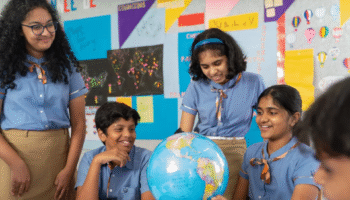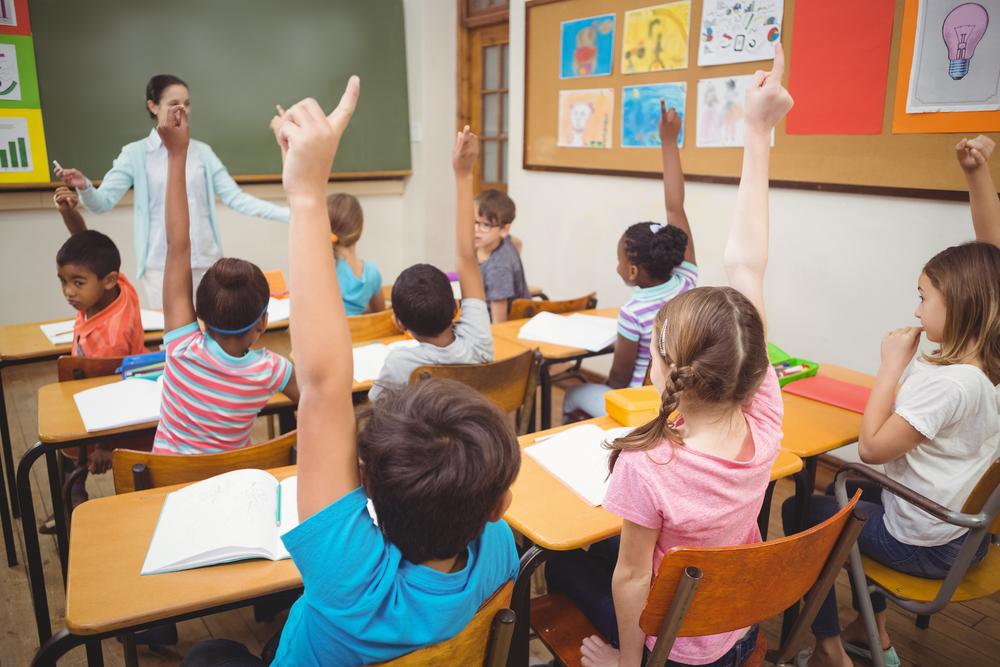
For centuries, the word school has signified more than a physical space. It is a concept deeply woven into the social, intellectual, and emotional fabric of human development. From ancient academies to modern high-tech campuses, schools have long served as the crucible where young minds are shaped, values are instilled, and futures are imagined. But as the world changes at a staggering pace, the role of school continues to evolve—pushing educators, parents, and policymakers to reconsider what education should truly look like in the twenty-first century.
The Traditional Role of School: A Foundation for Life
Historically, school has functioned as a structured environment where foundational skills are imparted—reading, writing, mathematics, and science being the pillars. But beyond academics, schools have long been tasked with preparing students for citizenship, teaching social norms, and nurturing critical thinking. In essence, they mold not just knowledgeable individuals, but well-rounded human beings.
Key Functions of Traditional Schooling
-
Academic Instruction: Delivering knowledge in structured formats aligned with age and development
-
Socialization: Helping students learn to work collaboratively, follow rules, and respect authority
-
Civic Development: Instilling a sense of responsibility, ethics, and awareness of the world
-
Emotional Growth: Offering opportunities for resilience, empathy, and interpersonal connection
School as a Social Microcosm
School is often the first real environment where a child learns to navigate relationships outside the family unit. Within classrooms, playgrounds, and extracurricular activities, children encounter diversity, conflict, cooperation, and hierarchy. These experiences, while sometimes challenging, are essential for emotional intelligence and personal maturity.
From learning to share crayons in kindergarten to engaging in debate in high school, these moments teach lessons that no textbook can fully convey. Friendships are forged, challenges overcome, and confidence slowly built through these social dynamics.
The Evolution of School: Responding to a Changing World
As technology reshapes how we communicate, work, and think, schools are also undergoing a quiet revolution. The traditional classroom model—rows of desks, blackboards, and rote memorization—is giving way to more dynamic, student-centered approaches.
1. Emphasis on Skills Over Memorization
In the past, the value of education was often measured by how much a student could recall. Today, the focus has shifted toward problem-solving, creativity, and adaptability—skills that will remain relevant even as industries rise and fall.
2. Integration of Technology
Smartboards, tablets, and AI-driven learning tools are now commonplace in many schools. They allow for more interactive and personalized learning experiences, accommodating different learning styles and paces.
3. Global Awareness
Modern schools are increasingly emphasizing global citizenship. Curricula often include international history, languages, and cultural awareness to prepare students for a world that is interconnected and culturally complex.
4. Mental Health and Well-Being
There is a growing recognition that emotional wellness is foundational to academic success. Schools now incorporate mindfulness sessions, counseling support, and emotional learning programs to address the holistic needs of students.
The Varied Faces of School Across the Globe
While the idea of school is universal, its expression varies dramatically depending on geography, culture, and resources. In some countries, school is a privilege—accessed by few, cherished deeply. In others, it is a basic expectation, tightly woven into the rhythm of daily life.
Examples of Global Diversity in Schooling
-
Finland: Known for its student-centric, low-stress approach, with minimal standardized testing and a strong emphasis on play
-
Japan: Values discipline, respect, and group harmony, with students often cleaning classrooms as part of their routine
-
Kenya: Where schooling is seen as a vital path out of poverty, often requiring children to walk long distances to attend class
-
United States: Offers both public and private schooling systems, with a focus on fostering individualism and extracurricular achievement
This diversity highlights an essential truth: while the goals of schooling may be similar—to educate, empower, and elevate—the paths to achieving those goals are many.
Challenges Facing Modern Schools
Despite progress, schools today are facing a multitude of challenges that demand thoughtful solutions.
1. Educational Inequality
Socioeconomic status continues to determine the quality of education many students receive. Underfunded schools, lack of access to technology, and overcrowded classrooms are persistent issues in both developing and developed nations.
2. Teacher Burnout
Educators are expected to wear many hats—teacher, counselor, administrator, mediator. The emotional and physical toll is leading to burnout and attrition, with many leaving the profession within a few years.
3. Standardized Testing Pressure
While intended to measure learning outcomes, excessive standardized testing often narrows the curriculum, stifles creativity, and adds stress to both students and teachers.
4. Bullying and Social Pressures
With the rise of social media, bullying has taken on new and more insidious forms. Schools must adapt quickly to these evolving threats to student well-being.
Rethinking the Purpose of School
As we stand at the intersection of tradition and transformation, a key question arises: What should school be for in the modern age? It is no longer enough for schools to produce test scores—they must cultivate citizens capable of navigating uncertainty, leading with empathy, and thinking critically.
A modern school must:
-
Foster curiosity rather than merely delivering content
-
Encourage dialogue over dictation
-
Prioritize empathy alongside efficiency
-
Promote collaboration rather than competition
When done well, school becomes not just preparation for life—it becomes life itself.
Final Reflections: School as a Living Institution
To reduce school to mere infrastructure would be to miss its true essence. School is where the seeds of identity, aspiration, and possibility are sown. It is where the young begin to imagine who they are and what they might become. As education systems continue to evolve, the soul of the school must remain intact: a space for growth, challenge, connection, and transformation.
In the end, a school is not just a place—it is a promise. A promise that every child, regardless of background, deserves the chance to learn, to grow, and to dream. And as long as we honor that promise, the institution of school will remain one of humanity’s greatest and most enduring achievements.